



Honoring Black Leaders: Paving the Way Toward Fair Housing
Each February, Black History Month offers us an opportunity to reflect on the enduring legacy, resilience, and leadership of Black Americans whose advocacy has shaped our nation. At the Housing Authority of Travis County (HATC), this month is especially meaningful as we honor the individuals and movements that helped advance fair housing, equity, and access to opportunity—principles that remain central to our work today.
The Legacy of Fair Housing and the Fight Against Redlining
One of the most significant milestones in the fight for housing equity was the passage of the Fair Housing Act of 1968, a cornerstone of the Civil Rights Movement. This legislation prohibited discrimination in housing based on race, color, religion, sex, or national origin and was a direct response to decades of systemic exclusion and injustice.
Before the Fair Housing Act, redlining was a widespread and harmful practice that denied Black and other minority communities access to mortgages, insurance, and financial services, often regardless of income or creditworthiness. These discriminatory policies, frequently reinforced by government and financial institutions, created long-lasting barriers to homeownership and generational wealth that continue to impact communities today¹.
Trailblazers Who Advanced Housing Justice
As we reflect on this history, we pay tribute to several trailblazing leaders whose advocacy helped dismantle discriminatory housing practices and paved the way for greater equity:
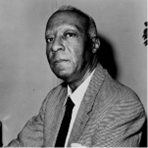
Philip Randolph
A prominent civil rights leader and labor organizer, A. Philip Randolph was a powerful voice for economic and housing justice. As founder of the Brotherhood of Sleeping Car Porters, he fought tirelessly for fair wages, dignified working conditions, and equal opportunities for Black workers. His leadership connected labor rights with civil rights, reinforcing the idea that economic justice, including access to housing, was essential to true equality. Activist Bayard Rustin once said, “No individual did more to help the poor, the dispossessed, and the working class in the United States and around the world than A. Philip Randolph."
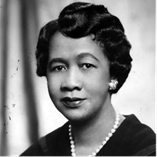
Dorothy Height
Often referred to as the “godmother of the civil rights movement,” Dorothy Height was a champion for both racial and gender equity. As president of the National Council of Negro Women, she worked to address housing discrimination and expand access to opportunity for Black families. Despite being the only woman to regularly serve alongside the “Big Six” civil rights leaders, her contributions were frequently overlooked. Her belief in proactive change is captured in her powerful words: “If the time is not ripe, we have to ripen the time.”

Dr. Martin Luther King Jr.
Dr. King’s advocacy extended beyond voting rights and desegregation to include economic justice and fair housing. His leadership and nonviolent protests brought national attention to housing discrimination and inequity, helping galvanize public support for the Fair Housing Act. His legacy continues to influence housing policy and protections across the country today. (Click here to read our article featuring Dr. King and his impact on housing.)
Housing Equity Today: Progress and Ongoing Challenges
While progress has been made, disparities in homeownership remain significant. As of late 2023, the overall U.S. homeownership rate was approximately 66%. However, Black Americans continue to experience a notable gap, with homeownership rates closer to 45%².
Black households make up approximately 11.7% of all U.S. households, totaling about 17 million. Of those households, 7.9 million are homeowners, while more than 9 million remain renters³. Rising home prices, interest rates, and longstanding economic inequities continue to pose challenges for many Black renters seeking the path to homeownership⁴.
What This Legacy Means
At the Housing Authority of Travis County, the legacy of Black leaders who fought for fair housing directly informs our work today. Every program we administer, partnership we build, and policy we uphold is rooted in the belief that safe, stable, and affordable housing is a fundamental right, not a privilege.
HATC serves a diverse community across Travis County, and we recognize that historical inequities in housing continue to shape the challenges faced by many Black families and households. Through our Housing Choice Voucher (HCV) program, public housing initiatives, resident services, and community partnerships, we remain committed to reducing barriers to housing access and expanding pathways to stability and opportunity.
We also strive to ensure that our work reflects the principles of equity and inclusion by promoting fair housing practices, supporting resident self-sufficiency, and engaging in ongoing learning and dialogue as an organization. Honoring Black History Month is not only about reflecting on the past, but also about reaffirming our responsibility to carry this work forward with intention and accountability.
Moving Forward Together
As we honor Black History Month, we also reaffirm our commitment at HATC to advancing fair housing, expanding access, and addressing the systemic barriers that persist. The legacy of the leaders we celebrate this month reminds us that progress requires intention, advocacy, and action.
By continuing to center equity in our programs, partnerships, and policies, we help ensure that the principles of fair housing are not just remembered but actively upheld for generations to come.
Sincerely,

Patrick B. Howard
CEO and Executive Director
Sources and References
- National Association of REALTORS® (NAR). (2023). Snapshot of Race and Home Buying in America.
- U.S. Census Bureau. (2023). Quarterly Residential Vacancies and Homeownership in the United States.
- National Association of Real Estate Brokers (NAREB). (2023). State of Housing in Black America (SHIBA) Report.
- Urban Institute. (2023). Housing Finance Policy Center Research.


