


Housing, Healing, and Hope: The Intersection of Mental Health and Housing Stability
We often focus on therapy, mindfulness, and clinical care when talking about mental health. But what happens when your most basic human needs aren't met? How can you focus on healing if you don't know where you are going to sleep tonight?
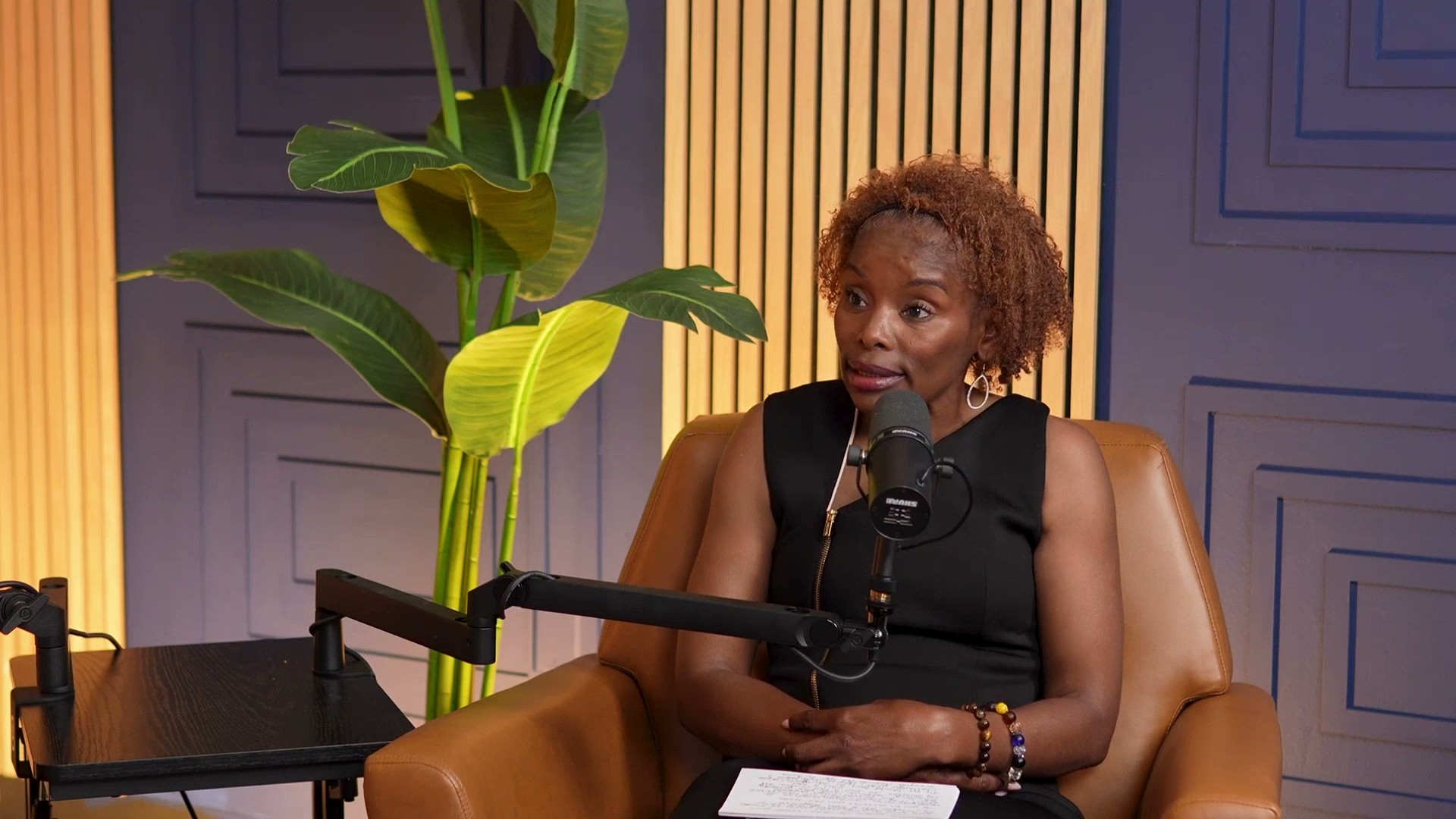
In recognition of BIPOC Mental Health Awareness Month, our latest episode of Let's Talk About It explores the deep connection between housing stability and mental health. HATC CEO Patrick Howard sat down with two incredible experts: Dr. Amanda Banks, Chief Public Health Officer with Integral Care, and Vanessa Flores Newton from Colors of Austin Counseling. Together, they discussed the barriers to mental healthcare, the weight of generational trauma, and why a safe home is arguably the most powerful mental health intervention we have.
Housing instability does more than just cause daily stress; it traps individuals and families in a constant state of survival. As Vanessa Flores Newton explained, when you are constantly worrying about your next meal or a safe place to sleep, that trauma lives in the body. For many in the BIPOC community, this trauma is generational. It is impossible to break these cycles, build healthy relationships, or maintain a job when you are perpetually stuck in a "fight, flight, or freeze" response.
Even when mental health resources are available, significant barriers prevent many from seeking help. Beyond financial obstacles and a lack of culturally affirming providers, there is a deep, historical issue of trust. For marginalized communities who have historically been misunderstood or overlooked by medical and governmental institutions, simply opening a clinic door is not enough. Dr. Banks emphasized that it is up to organizations to ensure their systems are worthy of the community's trust. This means building authentic relationships before a crisis hits, actively listening, and providing care that honors a person's lived experience.
Despite these stacked systemic barriers, there is a powerful shift happening. More people are asking for help today than ever before. Conversations about mental health are happening at dinner tables, in workplaces, and across communities, slowly dissolving the shame and secrecy that once surrounded these struggles. Healing doesn't always have to happen in a therapist's office. For generations, it has happened over shared meals, through music, and in community gatherings, highlighting what matters most: connection.
Ready to dive deeper into this conversation? Watch the full episode below.
(Note: If you or someone you know is in a mental health crisis, you do not have to navigate it alone. You can call or text 988 to reach the Suicide & Crisis Lifeline).


