


Recognizing June as National Men's Health Awareness Month
In recognition of June as National Men's Health Awareness Month, the Housing Authority of Travis County (HATC) wants to emphasize the critical need to address significant health disparities among its residents and to foster a more stable, thriving community.
By prioritizing prevention and early detection, HATC and similar organizations can empower men to lead prolonged and healthier lives, thereby alleviating social and economic burdens on families and housing systems. In the United States, men generally have a life expectancy that is nearly six years shorter than that of women, and they are statistically more likely to succumb to nine of the ten leading causes of death, which include heart disease and cancer.
It is noteworthy that minority and lower-income men frequently experience elevated rates of chronic illness alongside diminished access to preventive services. Furthermore, men are statistically less inclined to seek regular medical advice. Housing authorities like HATC can play an essential role in bridging this gap by increasing awareness and potentially facilitating on-site health screenings.
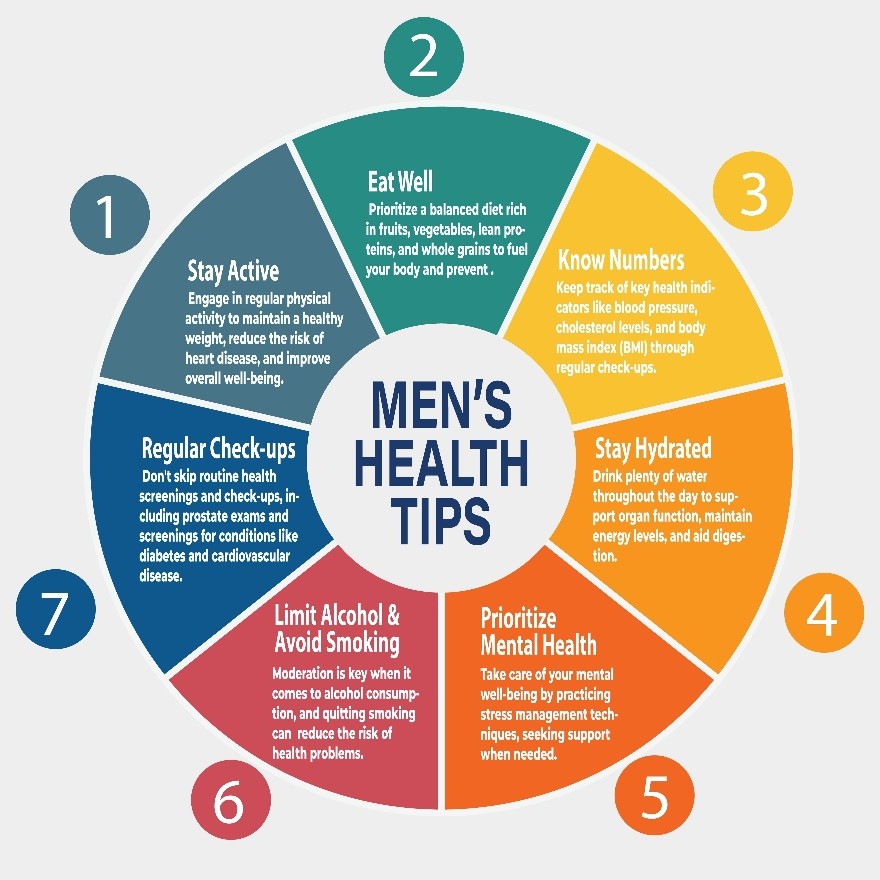
The health of men has a direct impact on the entire household. A man's illness or untimely death can lead to a substantial loss of household income, placing surviving family members at three to four times greater risk of falling into poverty. Encouraging men to prioritize their health not only contributes to their well-being but also sets a positive example for boys and young men within the community, helping to break cycles of neglect regarding both physical and mental wellness.
Moreover, men are nearly four times more likely to die by suicide than women, often due to societal stigmas that inhibit open discussions about mental health. HATC asserts that the observance of this month is critical in normalizing the pursuit of assistance for depression and anxiety.
HATC recognizes the significance of positive health outcomes for men and commends the initiatives undertaken by partner organizations like the Black Men’s Health Clinic and others. Their efforts to address the disparity in health outcomes between men and women are commendable and vital to improving overall public health.


