



Reimagining Housing Justice: Tackling the Real Affordable Housing Crisis in Texas
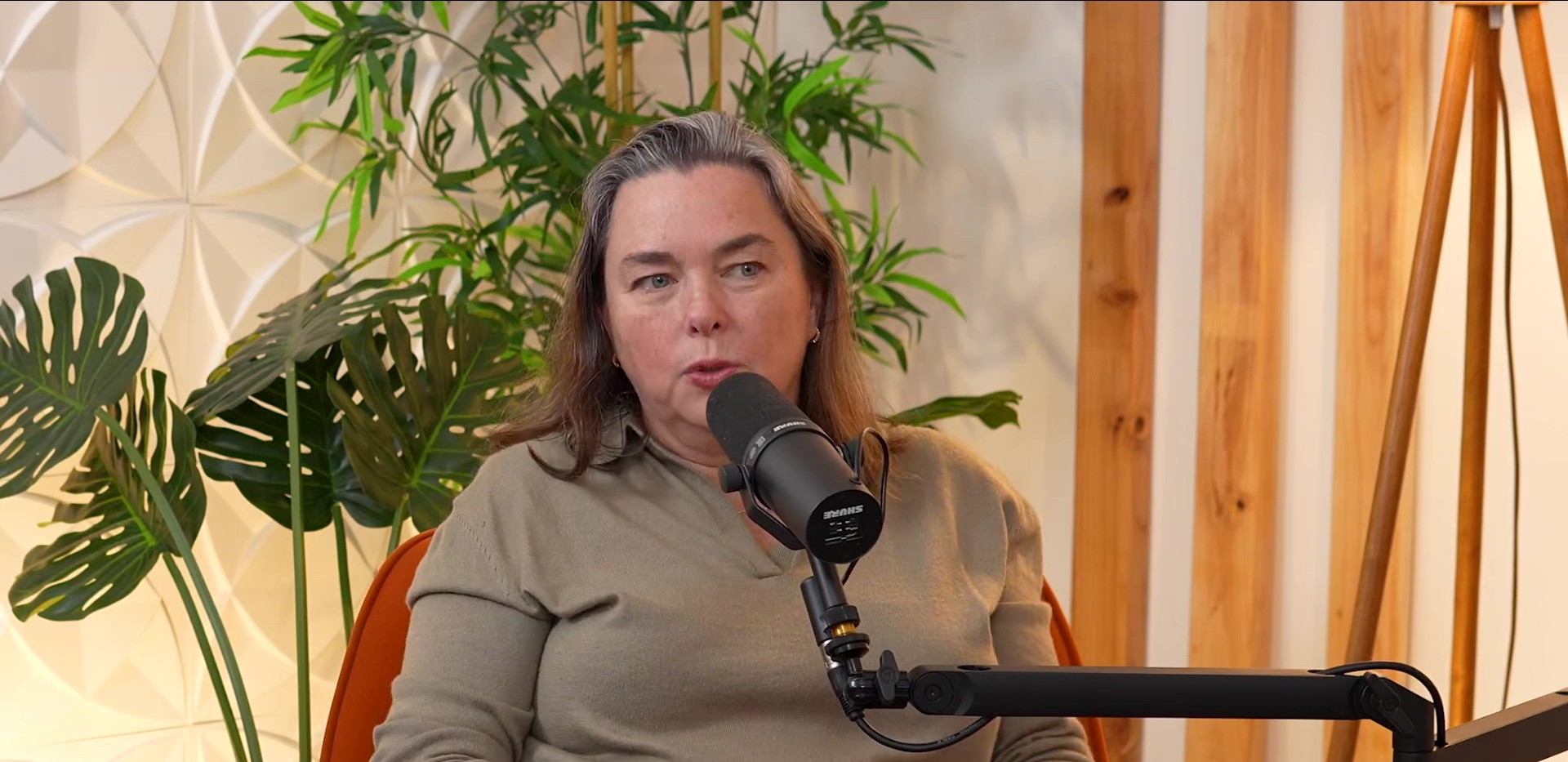
When we hear about the affordable housing crisis, the conversation often centers on middle-income earners being priced out of their preferred neighborhoods. But as we recognize Affordable Housing Month, we need to ask another question: Housing for whom? In our latest episode of Let's Talk About It, HATC CEO Patrick Howard sat down with three of Texas’s leading housing advocates: Felicity Maxwell (Texans for Housing), Quiana Fisher (Texas Housers), and John Henneberger (Texas Housers), to discuss the true state of housing in our region.
They reveal that the real housing crisis is happening among our most vulnerable neighbors, and our current systems are failing to address it.
For decades, working-class families, seniors, and individuals with disabilities relied on "naturally occurring affordable housing" (NOAH): older duplexes, fourplexes, and modest apartment complexes that provided stable, low-cost living without the need for government subsidies. As Quiana Fisher shared from her own experience growing up in South Austin, these naturally affordable units were the foundation that allowed families to stabilize, save, and eventually thrive. Today, rapid gentrification and redevelopment are wiping these vital communities off the map. We are losing the diverse, working-class backbone of our cities.
John Henneberger pointed out that there are over 4 million renter households in Texas that are considered very low or extremely low income. Yet, public policy consistently overlooks them. In a recent legislative session, Texas allocated $61 billion for property tax relief for homeowners, but zero state dollars for affordable housing dedicated to the poorest Texans. The current system is focused on creating "widgets" and subsidizing higher-income brackets, rather than addressing the dire needs of those living at 30% or 15% of the median family income.
So, how do we fix a broken system? We don't just rebuild it; we reimagine it. The future of housing justice lies in community power. The panel highlighted incredible historical and modern examples of neighborhoods fighting back:
- Community Land Trusts (CLTs) that are empowering neighborhoods to own their land collectively, keeping housing permanently affordable.
- Grassroots Resistance movements in neighborhoods like Blackland in East Austin, which successfully halted institutional expansion by strategically buying lots and creating deeply affordable, community-owned rentals.
- The Texas Bootstrap Housing Program, which was born from the righteous anger of farmworkers in the Rio Grande Valley who demanded, and won, zero-interest loans to build their own homes to code.
As Quiana Fisher stated, "Access to a dignified, safe, affordable place to live should have never been a luxury... Housing is a right for all of us." We must align housing advocacy with healthcare, education, and food access to build truly thriving communities. Whether you are a policymaker, a faith leader, or a concerned neighbor, we all can have a role to play in supporting and uplifting our communities.


