About
About usContact usCareersBoardOur staffNewsThe HATC FoundationTravis County Facilities CorporationTravis County Development Corporation
Applicants
WaitlistsHousing programsOur propertiesPorting inRental assistanceHomelessness programs
Residents
Pay your rentThe HATC FoundationResident SpotlightEventsFSS ProgramResident Advisory BoardResourcesAll services
Moving to Work
Landlords
Landlord informationLandlord portalFAQsBecome a landlordLandlord documents
Doing Business
PartnershipsRequests for ProposalsTravis County Facilities CorporationTravis County Development Corporation
More
FormsPolicy changesAnnual reportsFinancial informationStrategic planAll documentsBoard portalAffordable Housing Affiliates
HATC TwitterHATC FacebookHATC InstagramHATC LinkedInHATC YouTubeHATC YouTubeHATC YouTube

The Value of the National Public Housing Museum

Jun 22, 2026 · News Release
· Expired on
· Respond by

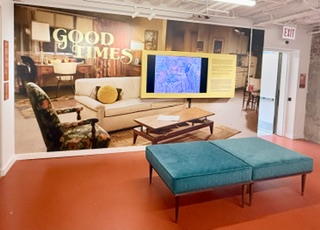
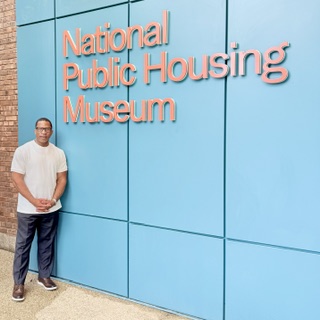
I recently had the opportunity to visit the National Public Housing Museum (NPHM) in Chicago while attending the Annual Convention and Exhibition of the Public Housing Authority Directors' Association (PHADA). Organizations such as PHADA and the National Association of Housing and Redevelopment Officials (NAHRO) consistently advocate for and provide annual financial support to further the mission and various programs of the Museum.

Supporting the National Public Housing Museum is essential for housing authorities, as the institution addresses the stigmatization associated with public housing, preserves the dignity of its residents, and educates policymakers on historical successes and failures to inform the handling of contemporary and future housing challenges.

The significance of this partnership and support for housing authorities can be articulated through several key points:

  • Challenging Stigmatization: The museum emphasizes the resilience, culture, and community connections of residents, actively countering decades of negative stereotypes surrounding public housing.
  • Preserving Lived History: By documenting oral histories and restoring historic apartments, the museum ensures that the narratives of the over 10 million Americans who have resided in public housing are preserved.
  • Learning from Past Policy: By examining how historical regulations, funding constraints, and governmental policies have influenced housing availability, housing authorities can utilize this understanding to prevent the recurrence of past mistakes in contemporary development efforts.
  • Advocating for Housing Justice: As a Site of Conscience, the museum serves as a civic anchor, fostering collaboration between residents and administrators in advocating for housing as a fundamental human right.

Next time you’re in Chicago, be sure to take the opportunity to visit the nation’s only cultural institution dedicated to preserving, interpreting, and sharing the history of public housing.

— Patrick B. Howard, HATC CEO

Links

Files

Subscribe to our newsletter!
  • Should be Empty:
Contact us
502 East Highland Mall Boulevard, Suite 106-B, Austin, TX 78752
(512) 854-8245
[email protected]
Monday – Thursday,
8 am – 12 pm
12 pm – 1 pm (closed)
1 pm – 4 pm
‍
Friday, 8 am – 12 pm
About
  • About us
  • Contact us
  • Careers
  • Our board
  • Our staff
Applicants
  • Housing programs
  • Porting in
  • Our properties
  • Rental assistance
  • Homelessness programs
Residents
  • Pay your rent
  • Events
  • FSS Program
  • Resident Advisory Board
  • The HATC Foundation
  • All services
Landlords
  • Landlord information
  • Landlord portal
  • FAQs
  • Become a landlord
Doing Business
  • Partner with us
  • Requests for Proposals
  • Travis County Facilities Corporation
  • Travis County Development Corporation
Documents
  • Forms
  • Annual reports
  • Financial information
  • Strategic plan
  • Other documents
Other
  • Accessibility
  • Moving to Work
  • Public information request
  • Reporting fraud
  • Affordable Housing Affiliates
HATC TwitterHATC FacebookHATC InstagramHATC LinkedInHATC YouTube

We are an Equal Housing Opportunity Provider. We provide housing without discrimination on the basis of race, color, religion, sex, physical or mental handicap, familial status, national origin, or other protected class.